
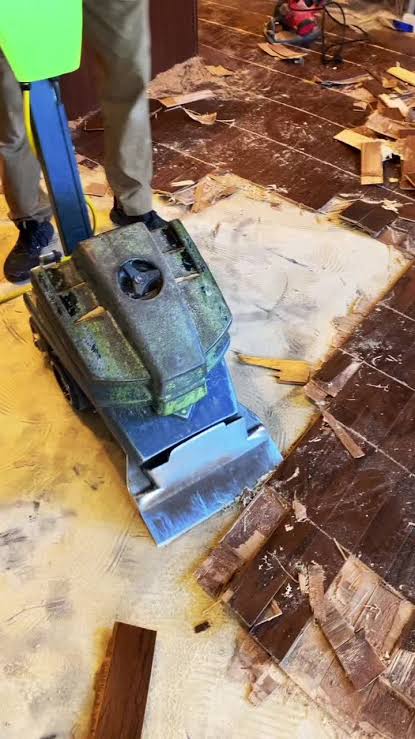
How long does refinishing take compared to replacement?
Refinishing usually takes 3 to 5 days depending on the square footage and the type of finish (water-based vs. oil-based) used. New installations can take a similar amount of time but may require an additional week for wood acclimation.
Can deep scratches be sanded out?
Surface-level scratches and minor dents are easily removed during the sanding process. However, deep gouges that penetrate into the tongue-and-groove joint may necessitate board replacement.
How many times can I refinish my floors?
Solid hardwood can typically be sanded 4 to 6 times. Engineered hardwood with a thick wear layer (4mm or more) can be refinished 1 to 2 times, while thin veneers cannot be sanded at all.
Can I change the color of my floors during refinishing?
Yes, sanding the wood down to the raw grain allows you to apply a completely different stain color, from light white-oaks to deep ebony tones, to modernize your space.
Is hardwood refinishing a dusty process?
Modern refinishing uses HEPA-filtered vacuum systems that capture 99% of dust, making the process significantly cleaner than traditional sanding methods.
Assessing the Structural Integrity of Your Hardwood
The primary technical factor in the refinishing vs. replacement debate is the remaining wear layer of the wood. For solid hardwood, the wear layer is the portion of the plank above the tongue-and-groove joint. If previous sandings have worn this layer thin—down to approximately 1/32 of an inch—further sanding risks exposing the nails or compromising the floor's stability. In many SouthPark estates featuring original century-old oak, we often find that the wood has reached its physical limit, necessitating a full replacement to ensure a level and safe walking surface.
Engineered hardwood presents a different set of challenges. Unlike solid planks, engineered wood consists of a real wood veneer atop a plywood or high-density fiberboard core. If this veneer is less than 2mm thick, it cannot withstand the friction of a drum sander. Homeowners must verify the specifications of their product before attempting a restoration. If the core is visible through scratches or if the veneer is delaminating from the base due to moisture exposure, replacement is the only viable solution to restore the floor's structural health.
The Economics of Refinishing vs. Full Installation
Refinishing is nearly always the more cost-effective option, typically costing a fraction of a full replacement. The savings stem from avoiding the purchase of new raw materials and the labor-intensive removal of existing flooring and subfloor preparation. When you choose to restore, you are leveraging the high-quality lumber already present in your home, which is often superior in grain density to modern, fast-growth timber. This approach provides a significant return on investment by renewing the home's aesthetic without the overhead of a major construction project.
Replacement becomes the smarter financial choice when the labor costs of extensive repairs outweigh the installation price of a new floor. If more than 20% of the boards are damaged by water, pet stains, or structural settling, the cost of 'weaving in' new wood and then sanding the entire surface to match can approach the price of a total tear-out. Additionally, if you are looking to change the plank width—such as moving from 2.25-inch strips to 7-inch wide planks—replacement is the only way to achieve that specific architectural transformation. Discovering the right balance depends on a thorough inspection of the subfloor and the current wood's condition.
Aesthetic Transformations and Species Limitations
Refinishing offers a remarkable degree of design flexibility. Modern stains and finishes, such as reactive conditioners and high-durability ceramic-fortified polyurethanes, can completely alter the character of a room. For instance, a dated red oak floor can be bleached and treated with a gray or white-wash stain to achieve a North Carolina coastal aesthetic or a contemporary minimalist look. This allows homeowners to stay current with interior design trends while retaining the authentic feel of real wood underfoot.
However, some aesthetic goals cannot be met through sanding alone. If your goal is to change the species of wood—moving from the prominent grain of oak to the sleek, uniform texture of maple or the exotic swirls of Brazilian cherry—you must opt for replacement. Furthermore, if the existing floor has significant gaps caused by seasonal humidity shifts in the Piedmont region, professional filling can help, but it may not provide the same seamless look as a new, precision-milled installation. Replacement allows for the integration of modern moisture barriers and improved subfloor leveling that older installations may lack.
Related reading from our team: can I refinish my hardwood? (https://mastery-floors-reimagined.lovable.app/blog/untitled-draft-yral) · water-based vs. oil-based polyurethane (https://mastery-floors-reimagined.lovable.app/blog/water-based-vs-oil-based-polyurethane-which-is-best-for-your-charlotte-hardwood-floors-2147).
Trusted sources: NWFA sanding and finishing standards (https://nwfa.org/technical-standards/) — To ensure structural integrity during the restoration process, we adhere strictly to the NWFA sanding and finishing standards. · EPA Indoor Air Quality guidelines (https://www.epa.gov/indoor-air-quality-iaq/volatile-organic-compounds-impact-on-indoor-air-quality) — Our dust containment systems and low-VOC finishes comply with EPA Indoor Air Quality guidelines to protect your home environment..
How long does the refinishing process take compared to installation?
For solid hardwood, the process typically takes 3 to 5 days. For engineered floors, the timeline is similar, though replacement requires additional time for the new wood to acclimate to your home's humidity levels.
Can deep scratches be repaired without replacing the whole floor?
Surface-level scratches are removed during sanding. If a scratch or gouge penetrates through the wear layer into the tongue-and-groove joint, that specific board likely needs replacement rather than repair.
How many times can a hardwood floor be refinished?
Solid hardwood can usually be sanded 4 to 6 times. Engineered hardwood depends on the wear layer; a 4mm layer allows for 1 to 2 sandings, whereas thin veneers cannot be sanded at all.
Can I change the color of my floors during the refinishing process?
Refinishing is the ideal time to update your aesthetic. Sanding back to raw wood allows for a complete color transition, from traditional ambers to modern Scandinavian white-oaks or sophisticated dark walnut tones.
Is hardwood floor refinishing a messy process?
Modern restoration utilizes HEPA-filtered vacuum systems. These tools capture approximately 99% of airborne particulates, making the process significantly cleaner than the dusty methods of the past.
Final thoughts
Determining whether to refinish or replace requires a technical assessment of your floor's structural integrity and your long-term aesthetic goals. If you are uncertain about the remaining wear layer of your planks, contact Mastery Floors for a professional evaluation and a detailed consultation on the best path forward for your home.
References
- Technical Manual: Sanding and Finishing of Hardwood Floors — National Wood Flooring Association (NWFA) bloomington, MO
- Wood Handbook: Wood as an Engineering Material — USDA Forest Products Laboratory
- All About Refinishing Hardwood Floors — This Old House