
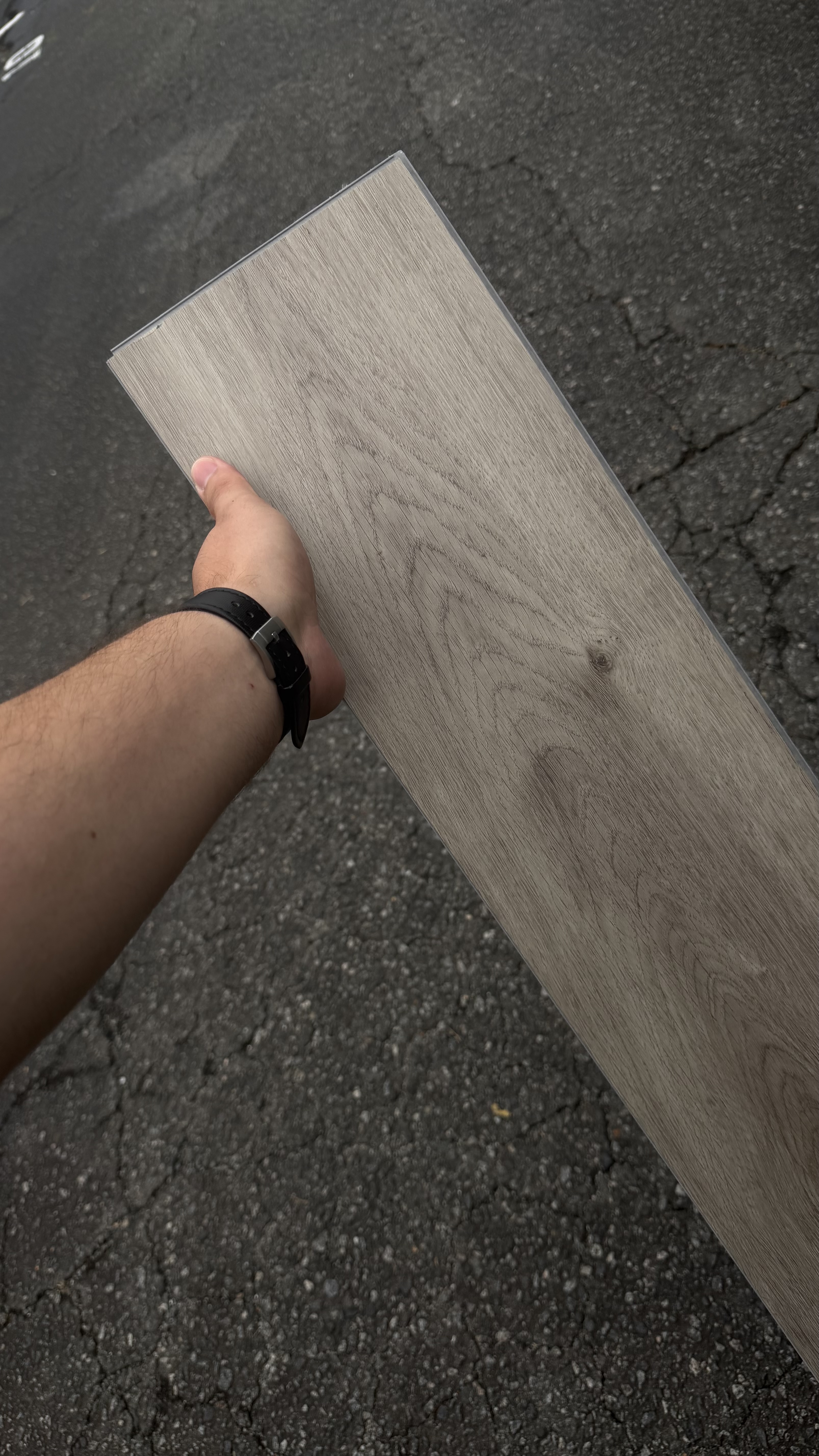
Understanding Hardwood Species and the Janka Scale
Selecting the right hardwood species is the foundation of a durable floor. The Janka hardness scale serves as the industry benchmark, measuring the resistance of a wood sample to denting and wear. For instance, Northern White Oak and Hickory are favored for their high density and ability to withstand the rigors of active households. Conversely, softer species like American Cherry or Walnut offer stunning grain patterns but require more cautious maintenance to prevent surface impressions. Understanding these botanical characteristics ensures that your choice aligns with the specific traffic patterns of your home.
Beyond hardness, the stability of a species dictates how it reacts to environmental changes. Dimensional stability refers to a wood's tendency to shrink or swell as humidity levels fluctuate throughout the year. Species like Mesquite or certain engineered platforms offer superior stability compared to solid Plainsawn Oak. This is particularly vital when installing over radiant heat systems or in various neighborhoods like SouthPark where architectural styles often feature large windows and fluctuating internal climates. Selecting a species with the right balance of hardness and stability is the first step in a successful flooring project.
Technical Requirements for Subfloor Preparation and Moisture Control
A premium hardwood floor is only as stable as the surface beneath it. Professional installers prioritize subfloor flatnesses, typically ensuring a tolerance of 3/16 of an inch over a 10-foot radius. This prevents the 'hollow' sound often associated with poor installations and reduces the risk of mechanical fastener failure over time. Whether the substrate is plywood or concrete, it must be clean, dry, and structurally sound before the first plank is laid. Addressing these technical details early prevents costly remediation after the project is complete.
Moisture management is the most critical variable in the longevity of wood flooring. Wood is a hygroscopic material, meaning it constantly absorbs and releases moisture to reach an equilibrium with its environment. Modern contractors use pinned or pinless moisture meters to document the moisture content of both the flooring material and the subfloor. In the humid Piedmont region, proper acclimation is not just a suggestion but a requirement to prevent cupping or significant seasonal gapping. A professional installation includes a thorough analysis of the home's HVAC capabilities to maintain a consistent relative humidity between 30% and 50%.
The Art and Science of Professional Refinishing
Refinishing is a transformative process that restores the original luster of aged wood while providing an opportunity to update the home's aesthetic. The process begins with progressive sanding, using grit sequences that move from coarse to fine to remove old finishes and level the surface. Dust containment systems are essential for maintaining a clean indoor environment, capturing 99% of airborne particulates generated during the sanding phase. This white-glove approach ensures that the home remains habitable and the final finish is free of embedded debris.
The choice of protective coating defines both the look and the maintenance requirements of the floor. Modern water-based polyurethanes have surpassed older oil-based technology in terms of durability and environmental safety. These finishes cure faster and do not yellow over time, preserving the natural color of the wood. For homeowners who prefer a more organic feel, penetrating oils offer a matte appearance that can be spot-repaired without the need for a full sand-and-finish. Each system has specific application requirements that demand a high level of craftsmanship and technical knowledge.
Maintenance Strategies for Lifetime Durability
Long-term floor performance depends heavily on post-installation care and proactive maintenance. The most significant threat to a hardwood finish is abrasive debris, such as sand or grit, which acts like sandpaper under foot traffic. Utilizing high-quality walk-off mats at entryways and maintaining a regular cleaning schedule with manufacturer-approved solutions will significantly extend the life of the finish. It is vital to avoid steam mops or excessive water, as moisture can seep into the joints and cause irreparable damage to the wood fibers.
Periodic 'buffer and coat' services, also known as a screen and recoat, can refresh the top layer of protection before the wood itself is exposed. This maintenance step involves lightly abrading the existing finish and applying a fresh topcoat to restore slip resistance and sheen. Executing this service every few years can postpone the need for a full, invasive sand-and-finish for decades. For homes in the Charlotte area, where indoor-outdoor living is common, these preventative measures are the hallmark of a well-maintained property.
Related reading from our team: water-based vs. oil-based polyurethane options (https://mastery-floors-reimagined.lovable.app/blog/water-based-vs-oil-based-polyurethane-which-is-best-for-your-charlotte-hardwood-floors-2147) · refinishing your existing hardwood (https://mastery-floors-reimagined.lovable.app/blog/untitled-draft-yral).
Trusted sources: National Wood Flooring Association (NWFA) standards (https://www.nwfa.org/) — Proper installation must adhere to strict moisture testing and subfloor preparation protocols. · USDA Forest Products Laboratory species guide (https://www.fpl.fs.fed.us/) — The Janka hardness scale provides a baseline for comparing the durability of domestic and exotic hardwoods. · EPA Volatile Organic Compounds (VOC) guidelines (https://www.epa.gov/indoor-air-quality-iaq/volatile-organic-compounds-impact-indoor-air-quality) — Choosing a finish involves weighing the durability of oil-modified polyurethanes against the low-VOC benefits of water-based systems..
Which wood species is most durable for active households?
The Janka scale measures the force required to embed a steel ball into the wood. White Oak and Hard Maple are excellent for high-traffic areas, while softer woods like Pine are more prone to denting.
What is the difference between water-based and oil-based polyurethane?
Water-based finishes dry faster, remain clear, and have low odor. Oil-based finishes provide a warm amber tint and have a longer open time, though they take significantly longer to cure.
Should I choose solid or engineered hardwood?
Solid hardwood is a single piece of wood that can be refinished multiple times. Engineered hardwood consists of a wear layer over a plywood core, offering better stability in environments with fluctuating humidity.
How often can hardwood floors be refinished?
Most hardwood floors can be sanded and refinished every 7 to 10 years, depending on the wear layer thickness and the level of foot traffic in the home.
Why is moisture testing important before installation?
Moisture levels in both the subfloor and the new wood must be within a specific percentage of each other to prevent cupping, crowning, or gapping after installation.
Final thoughts
Investing in professional refinishing or a new custom installation preserves the structural integrity and market value of your property. Contact Mastery Floors today to schedule a detailed site assessment and discuss which hardwood species or finish system best suits your lifestyle and aesthetic goals.
References
- M-100 Wood Flooring Installation Guidelines — National Wood Flooring Association
- Wood Handbook: Wood as an Engineering Material — USDA Forest Products Laboratory
- Hardwood Floor Care and Refinishing Manuals — Bona US Technical Services